
Introduction
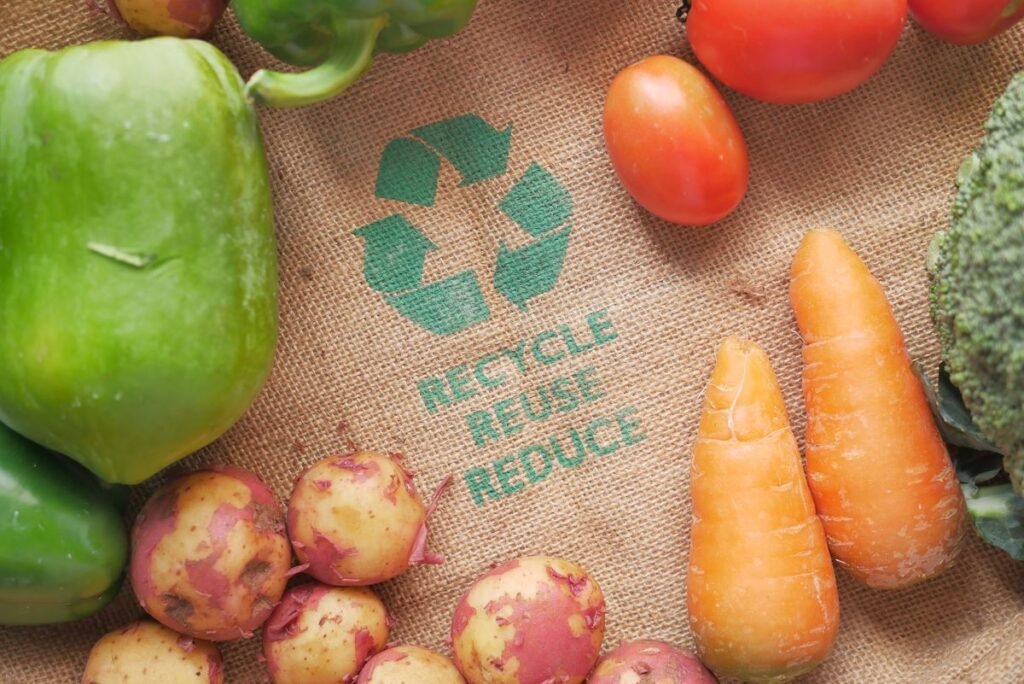
Sustainable Food Practices are becoming increasingly important as the world faces environmental challenges, growing populations, changing consumer expectations, and increasing demand for food. The way food is produced, packaged, transported, purchased, and consumed has a direct impact on the environment and the future of our food systems.
Today, individuals, farmers, restaurants, supermarkets, and food companies are exploring smarter ways to reduce food waste, conserve natural resources, improve agricultural production, and make food systems more sustainable.
Sustainable Food Practices and Modern Eco-Friendly Food Production
In 2026, sustainability is no longer simply a trend. It is an important part of modern food production and responsible business development. Technology, innovation, and environmentally conscious decisions are creating new opportunities to improve how the world produces and consumes food.
This article explores 20 modern Sustainable Food Practices that can help individuals, businesses, and communities support a healthier environment and a more responsible food future.
1. Reduce Food Waste at Home and in Businesses
Reducing food waste is one of the most practical ways to support sustainability.
A significant amount of food is lost or wasted throughout the food supply chain, from farms and factories to supermarkets, restaurants, and households.
People and businesses can reduce waste by:
- Planning meals before shopping.
- Purchasing appropriate quantities.
- Storing food correctly.
- Using leftovers creatively.
- Monitoring food expiration dates.
- Donating suitable surplus food where permitted.
Restaurants can also analyze their daily sales to understand which meals are frequently left uneaten.
Reducing waste helps save money, conserve resources, and make better use of available food.
2. Support Sustainable Agriculture
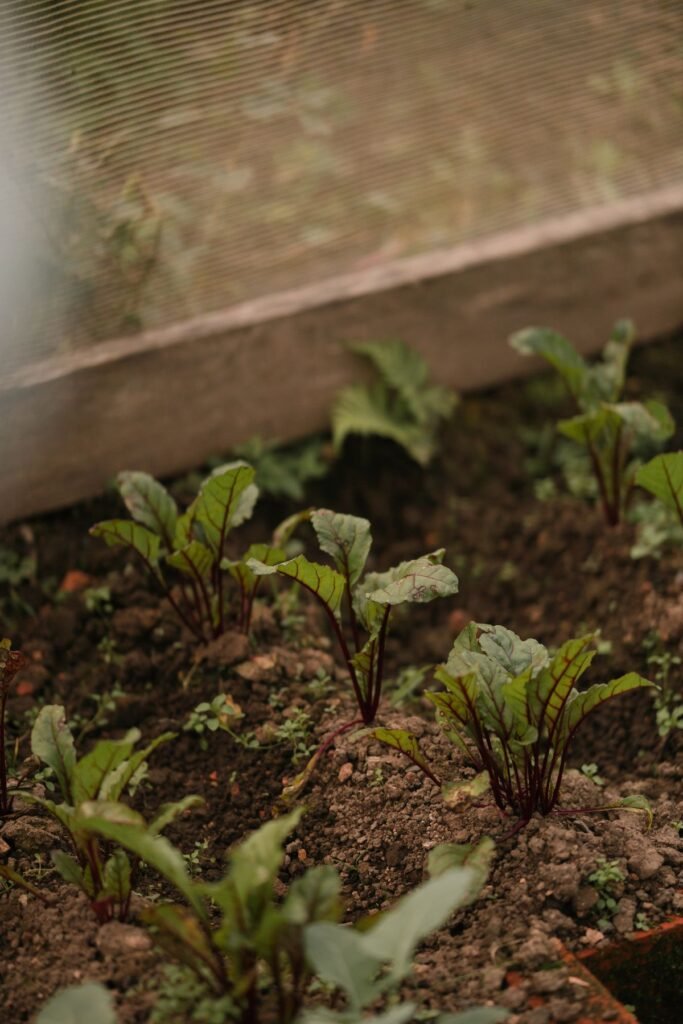
Sustainable agriculture focuses on producing food while protecting soil, water, biodiversity, and other natural resources.
Farmers can improve agricultural sustainability through responsible farming methods, crop rotation, efficient irrigation, and careful soil management.
Important practices include:
- Maintaining healthy soil.
- Reducing unnecessary chemical use.
- Protecting natural habitats.
- Choosing suitable crops for local conditions.
- Using responsible farming techniques.
- Improving water management.
Sustainable agriculture supports long-term food production and helps protect resources for future generations.
3. Choose Seasonal and Locally Produced Food
Seasonal and locally produced food can offer environmental and economic benefits.
When consumers purchase food produced in nearby communities, they may support local farmers and reduce the distance some products travel before reaching customers.
Seasonal food can also encourage people to explore different ingredients throughout the year.
Benefits may include:
- Supporting local agriculture.
- Strengthening regional food markets.
- Encouraging fresh food consumption.
- Creating opportunities for small businesses.
- Reducing transportation requirements for certain products.
However, the environmental impact depends on production methods, storage, transportation, and the type of food involved.
4. Improve Water Conservation in Food Production
Water is essential for agriculture, food processing, cleaning, and food preparation.
As water resources face increasing pressure in many regions, efficient water management is becoming more important.
Farmers and food businesses can improve water conservation by:
- Using efficient irrigation systems.
- Repairing leaking equipment.
- Monitoring water consumption.
- Collecting rainwater where appropriate.
- Reusing suitable water safely.
- Selecting water-efficient production methods.
Modern irrigation technology can help farmers deliver water more efficiently and reduce unnecessary consumption.
5. Introduce Sustainable Food Packaging
Food packaging protects products during storage, transportation, and distribution. However, unnecessary packaging can create environmental challenges.
Modern businesses are exploring packaging materials and designs that reduce waste while maintaining food quality and safety.
Examples include:
- Recyclable packaging.
- Reusable containers.
- Paper-based packaging where suitable.
- Compostable materials that meet appropriate standards.
- Packaging made with reduced material.
- Refillable food containers.
Businesses should evaluate packaging carefully because not every alternative is suitable for every food product.
The best solution protects food effectively while considering environmental impact throughout its life cycle.
6. Adopt Plant-Rich Food Choices
Plant-rich diets emphasize foods such as vegetables, fruits, beans, lentils, nuts, seeds, and whole grains.
Many plant-based foods can be produced with lower environmental impacts than certain animal-based products, although the exact impact depends on the production system.
People can explore plant-rich meals by:
- Including more vegetables in daily meals.
- Trying bean and lentil recipes.
- Exploring traditional plant-based dishes.
- Choosing seasonal fruits.
- Reducing unnecessary food waste.
This approach provides more variety and can support sustainable food consumption.
7. Use Technology for Smart Farming
Technology is transforming modern agriculture by helping farmers make more informed decisions.
Smart farming combines digital tools, sensors, data analysis, and automated systems to improve agricultural management.
Some examples include:
- Soil moisture sensors.
- Smart irrigation systems.
- Agricultural drones.
- Satellite monitoring.
- Weather forecasting tools.
- Farm management software.
These technologies can help farmers monitor crop conditions, identify potential problems, and use resources more efficiently.
As technology becomes more accessible, smart farming may create new opportunities for agricultural businesses.
8. Improve Food Transportation and Distribution
Food transportation connects farmers, manufacturers, distributors, retailers, restaurants, and consumers.
Poor transportation planning can increase costs, delay deliveries, and contribute to food losses.
Businesses can improve distribution by:
- Planning efficient delivery routes.
- Coordinating transportation schedules.
- Using appropriate storage conditions.
- Monitoring delivery performance.
- Improving communication with suppliers.
- Reducing unnecessary transportation.
Efficient distribution helps food reach customers in better condition and supports more reliable supply chains.
9. Protect Soil Health and Biodiversity
Healthy soil is essential for agricultural productivity.
Soil provides nutrients, supports plant growth, stores water, and contains many living organisms.
Farmers can protect soil health through crop rotation, cover crops, composting, and erosion-control practices.
Biodiversity is equally important because ecosystems support pollination, natural pest control, and ecological balance.
Protecting natural habitats and using responsible farming methods can help maintain healthier agricultural environments.
10. Develop Sustainable Food Businesses
Sustainability can become an important part of a modern food business strategy.
Restaurants, cafés, supermarkets, food manufacturers, and delivery companies can introduce practical environmental improvements.
For example, businesses can:
- Measure food waste.
- Improve energy efficiency.
- Choose responsible suppliers.
- Reduce unnecessary packaging.
- Manage water consumption.
- Train employees in sustainable practices.
A sustainable business should also consider financial performance, customer expectations, food safety, and long-term operational stability.
11. Improve Energy Efficiency in Food Production
Food production and storage require energy for refrigeration, cooking, transportation, processing, and manufacturing.
Improving energy efficiency can help businesses reduce operating costs and environmental impacts.
Practical improvements include:
- Maintaining refrigeration equipment.
- Using energy-efficient appliances.
- Improving building insulation.
- Switching off unused equipment.
- Monitoring energy consumption.
- Exploring suitable renewable energy options.
Restaurants and food factories can begin by identifying the activities that consume the most energy.
12. Support Responsible Seafood Production
Seafood is an important source of food and income for many communities.
However, irresponsible fishing practices can damage marine ecosystems and threaten fish populations.
Responsible seafood production focuses on protecting marine resources and maintaining healthy aquatic environments.
Consumers and businesses can consider:
- Choosing seafood from responsible sources.
- Supporting traceable supply chains.
- Avoiding products linked to illegal fishing.
- Following local fishing regulations.
- Supporting sustainable aquaculture practices.
Responsible seafood management helps protect marine ecosystems and the livelihoods that depend on them.
13. Explore Food Recycling and Composting
Organic food waste can sometimes be transformed into useful resources through composting and other suitable recycling processes.
Fruit peels, vegetable scraps, and certain other organic materials may be used to produce compost when managed correctly.
Composting can help:
- Reduce the amount of organic waste sent to landfills.
- Produce useful soil-improving material.
- Support community gardening.
- Improve organic waste management.
- Encourage responsible resource use.
Food businesses and households should follow local waste-management guidance to ensure that materials are handled safely.
14. Improve Food Supply Chain Transparency
Modern consumers increasingly want to understand where their food comes from and how it is produced.
Food supply chain transparency helps businesses communicate information about sourcing, production, processing, and distribution.
Digital technologies can support this process through:
- Product tracking systems.
- Digital records.
- Supplier information platforms.
- Traceability software.
- Product labeling systems.
Better transparency can strengthen accountability and help businesses identify problems throughout their supply chains.
15. Encourage Sustainable Food Education
Education plays an important role in building responsible food habits.
Schools, communities, businesses, and online platforms can teach people how food production works and why sustainability matters.
Educational programs may cover:
- Food waste reduction.
- Responsible shopping.
- Seasonal food choices.
- Sustainable agriculture.
- Food packaging.
- Water conservation.
- Environmental protection.
When people understand the impact of their decisions, they can make more informed choices.
16. Use Artificial Intelligence in Sustainable Food Systems
Artificial intelligence is creating new opportunities across agriculture, manufacturing, logistics, and retail.
AI-powered systems can analyze large amounts of information and help businesses make better operational decisions.
Potential applications include:
- Predicting crop conditions.
- Forecasting food demand.
- Monitoring inventory.
- Identifying supply chain problems.
- Improving delivery planning.
- Supporting agricultural research.
For example, a supermarket may use demand forecasting to estimate how much fresh food customers are likely to purchase.
This can help improve stock management and reduce avoidable waste.
However, AI systems require reliable information, responsible implementation, and human oversight.
17. Reduce Single-Use Plastic in Food Services
Single-use plastic packaging is widely used in restaurants, cafés, supermarkets, and food delivery services.
Businesses can explore practical ways to reduce unnecessary plastic consumption.
Possible actions include:
- Offering reusable containers where practical.
- Reducing unnecessary packaging layers.
- Providing suitable recyclable alternatives.
- Encouraging customers to reuse approved containers.
- Choosing packaging that meets food safety requirements.
Reducing plastic waste requires cooperation between businesses, consumers, manufacturers, and waste-management systems.
18. Strengthen Food Security Through Sustainable Practices
Food security means that people have reliable access to sufficient, safe, and nutritious food.
Sustainable food systems can contribute to food security by improving agricultural resilience, reducing losses, and supporting responsible resource management.
Communities can strengthen food security through:
- Supporting local farmers.
- Improving food storage facilities.
- Developing reliable distribution networks.
- Supporting agricultural education.
- Encouraging responsible water management.
- Improving access to food markets.
Building resilient food systems is particularly important for communities affected by climate challenges and supply disruptions.
19. Measure Environmental Performance
Food businesses cannot improve sustainability effectively without understanding their current performance.
Measuring environmental indicators helps organizations identify areas that need attention.
Useful measurements may include:
- Food waste volume.
- Water consumption.
- Energy use.
- Packaging materials.
- Transportation efficiency.
- Recycling performance.
Businesses can establish realistic goals and review their progress regularly.
For example, a restaurant may set a target to reduce avoidable food waste over six months and monitor its results each month.
Measurable goals make sustainability more practical and easier to manage.
20. Build a Long-Term Sustainable Food Future
Creating a sustainable food future requires cooperation among consumers, farmers, businesses, governments, researchers, and communities.
No single solution can address every challenge in the global food system.
Long-term progress requires investment in agricultural innovation, responsible production, modern infrastructure, education, and environmental protection.
Food businesses can contribute by improving their daily operations, while consumers can support responsible choices through informed purchasing habits.
Small improvements across many parts of the food system can create meaningful progress over time.
Modern Food Sustainability Trends in 2026
Several developments are influencing the future of sustainable food systems.
1. Precision Agriculture
Precision agriculture uses digital information, sensors, and modern equipment to help farmers manage crops and resources more accurately.
2. Alternative Food Production
Researchers and businesses are exploring new ways to produce food, including plant-based alternatives and innovative protein technologies.
3. Smart Food Packaging
Modern packaging solutions are being developed to improve product protection, provide useful information, and reduce unnecessary material use.
4. AI-Powered Food Management
Artificial intelligence can support demand forecasting, inventory planning, agricultural monitoring, and supply chain management.
5. Circular Food Systems
Circular food systems aim to keep resources in use for longer by reducing waste, reusing suitable materials, and recovering value from by-products.
These developments show how innovation can support more responsible food production and consumption.
Conclusion
Sustainable Food Practices are essential for building a more responsible and resilient food future. From reducing food waste and protecting soil to adopting smart farming technology and improving food packaging, there are many ways to make food systems more sustainable.
In 2026, individuals and businesses have new opportunities to combine technology, innovation, and responsible decisions to improve how food is produced and consumed.
Whether you are a consumer, farmer, restaurant owner, entrepreneur, or food industry professional, adopting practical sustainable practices can make a positive contribution.
The future of food depends not only on producing more but also on using resources wisely, protecting the environment, and creating food systems that can serve future generations.
Hayne Marketing — Learn. Grow. Succeed Online.