
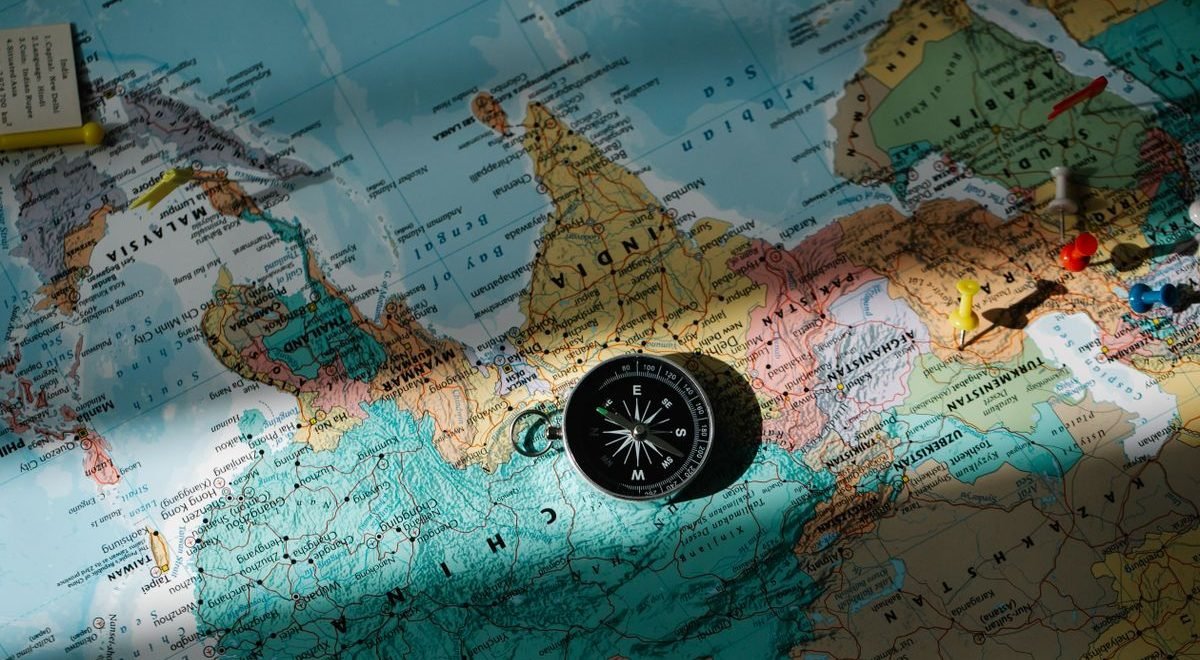
How to Plan an International Trip is an important topic for anyone who wants to explore new countries, discover different cultures, and enjoy a comfortable travel experience. International travel offers opportunities to visit beautiful destinations, experience different lifestyles, meet new people, and create unforgettable memories.
However, planning an international trip requires careful preparation. Travelers need to consider several important factors, including choosing a destination, preparing travel documents, booking flights, finding suitable accommodation, managing expenses, and understanding local transportation.
Today, technology has made international travel planning easier than ever. Travelers can compare airline tickets, explore hotels, research destinations, and organize their journeys through online platforms and mobile applications.
Whether you are planning your first international holiday, a family vacation, a business trip, or an adventure abroad, having a clear travel plan can help make your journey more organized and enjoyable.
At Hayne Marketing, we share useful information about travel, technology, business, lifestyle, and digital trends to help readers make informed decisions and explore new opportunities.
1. Choose the Right International Travel Destination
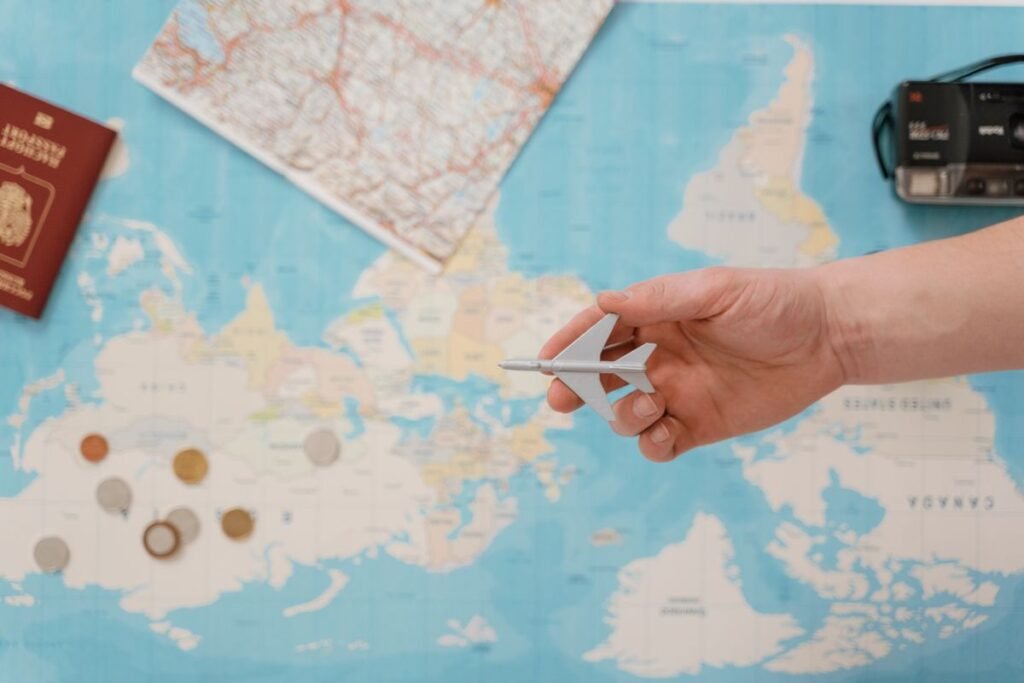
The first step in planning an international trip is selecting a destination that matches your interests, budget, and travel expectations.
The world offers thousands of destinations, each with unique attractions, cultures, landscapes, and experiences.
Before choosing a country, consider:
- Your travel budget.
- Weather conditions.
- Visa requirements.
- Available flights.
- Accommodation costs.
- Local transportation.
- Tourist attractions.
- Cultural activities.
Some travelers prefer relaxing beach destinations, while others enjoy historical cities, mountain landscapes, shopping destinations, or cultural experiences.
Researching different destinations before booking can help you make a better decision.
2. Research Visa and Passport Requirements
Travel documents are among the most important parts of international travel preparation.
Before booking a trip, check the entry requirements of your destination.
Passport Validity
Many countries require travelers to have a passport that remains valid for a specific period beyond their intended stay.
Check your passport’s expiration date before making travel arrangements.
Visa Requirements
Depending on your nationality and destination, you may need a tourist visa, business visa, transit visa, or another type of travel authorization.
Always check the official immigration website of your destination country for accurate requirements.
Supporting Documents
Some destinations may request additional documents, such as:
- Return or onward flight information.
- Hotel reservation details.
- Evidence of sufficient travel funds.
- Travel insurance.
- Invitation letters, where applicable.
Preparing the necessary documents early can help reduce travel-related complications.
3. Find Affordable International Flights
Flight tickets can represent a significant part of an international travel budget.
Comparing different airlines and departure dates may help travelers identify suitable options.
Here are some useful flight-booking strategies:
Compare Different Airlines
Explore several airlines before purchasing a ticket.
Compare prices, baggage allowances, departure times, and connecting flights.
Be Flexible With Travel Dates
Flight prices can vary depending on the travel season, demand, and departure date.
If your schedule allows flexibility, compare several dates.
Consider Alternative Airports
Some destinations have multiple airports.
Comparing nearby airports may reveal additional travel options.
Check Baggage Policies
Always review baggage allowances and additional fees before confirming a booking.
Book Through Reliable Platforms
Use established booking platforms or official airline websites and carefully review the booking conditions.
Good flight planning can help travelers manage expenses and choose convenient journeys.
4. Choose the Best Hotel and Accommodation
Accommodation is another important part of international travel planning.
The right hotel can improve convenience, comfort, and access to important destinations.
Different travelers have different accommodation preferences.
Luxury Hotels
Luxury hotels often provide premium facilities, restaurants, room services, and additional guest experiences.
Budget Hotels
Budget hotels offer accommodation options for travelers who want to manage expenses.
Resorts
Resorts may provide accommodation, recreational activities, restaurants, and entertainment facilities.
Apartments and Vacation Rentals
Apartments and vacation rentals can offer additional space and facilities, depending on the property.
Hostels
Hostels are accommodation options that may appeal to travelers seeking affordable stays and shared social environments.
Before booking accommodation, consider its location, reviews, available facilities, cancellation policy, and total price.
5. Create a Realistic International Travel Budget
A travel budget helps you understand how much money may be required for your journey.
Planning expenses before departure can make travel more organized.
Your budget should include:
Flight Tickets: International and domestic transportation costs.
Accommodation: Hotel rooms, apartments, or other lodging expenses.
Food: Daily meals, drinks, and dining experiences.
Transportation: Airport transfers, buses, trains, taxis, and other local transport.
Activities: Museum tickets, sightseeing, tours, and recreational experiences.
Travel Insurance: Suitable coverage for unexpected travel-related situations.
Additional Expenses: Shopping, communication, and emergency expenses.
A realistic budget should include a reasonable allowance for unexpected costs.
6. Understand the Best Time to Visit Your Destination
Travel seasons can influence the cost and quality of your experience.
Some destinations are especially popular during certain months because of their weather, festivals, or special events.
Peak Travel Season
Peak seasons often attract more visitors.
Hotels and flights may become more expensive because of increased demand.
Shoulder Season
Shoulder seasons occur between peak and quieter travel periods.
Some destinations may offer a balance between favorable weather, visitor numbers, and prices.
Off-Peak Season
Off-peak periods may provide opportunities for travelers seeking quieter destinations.
However, weather conditions and the availability of attractions should be considered.
Researching seasonal conditions can help you select a suitable travel period.
7. Prepare Your Travel Documents and Important Information
Organizing travel documents before departure is essential.
Keep important information accessible throughout your journey.
Consider preparing:
- A valid passport.
- Required visas or travel authorizations.
- Flight booking confirmations.
- Hotel reservation details.
- Travel insurance information.
- Emergency contact details.
- Copies of important documents.
It is useful to keep secure digital copies of important travel documents.
Always protect personal information and avoid sharing sensitive travel documents with untrusted websites or individuals.
8. Research Local Transportation Options
Transportation can significantly influence your international travel experience.
Different destinations offer different ways to move between airports, hotels, tourist attractions, and city centers.
Common transportation options include:
Public Buses
Public buses are available in many cities and may provide affordable transportation.
Trains and Metro Systems
Some major cities have developed railway and metro networks that connect important locations.
Taxis and Ride-Hailing Services
Taxis and ride-hailing services can provide convenient transportation, depending on local availability and regulations.
Rental Cars
Car rentals may be useful for travelers who want flexibility when exploring destinations outside major city centers.
Airport Transfers
Some hotels and transportation providers offer airport transfer services.
Researching local transportation before arrival can help you save time and understand your options.
9. Discover the Best Tourist Attractions and Activities
One of the most exciting parts of international travel is discovering new places.
Every destination offers different attractions and experiences.
Popular tourist activities include:
- Visiting historical landmarks.
- Exploring museums.
- Discovering traditional markets.
- Enjoying beaches.
- Visiting national parks.
- Exploring famous cities.
- Experiencing local food.
- Attending cultural festivals.
Before departure, research the attractions you are interested in visiting.
Check opening hours, admission requirements, transportation options, and whether advance reservations are necessary.
Creating a flexible itinerary can help you enjoy your destination without making the journey unnecessarily stressful.
10. Learn About Local Culture and Travel Etiquette
Understanding local culture is an important part of responsible international travel.
Different countries have different customs, traditions, languages, and social expectations.
Before visiting a destination, research:
Local Customs
Learn about important cultural practices and social expectations.
Dress Expectations
Some destinations have specific clothing expectations at religious sites, cultural locations, or public institutions.
Language
Learning a few basic local expressions can make communication easier.
Dining Etiquette
Understand common dining practices and restaurant customs.
Respect for Religious and Historical Places
Follow visitor instructions and respect local traditions.
Showing cultural awareness can help create more positive experiences and meaningful connections with local communities.
11. Get Suitable Travel Insurance
Travel insurance is an important consideration when preparing for international journeys.
Depending on the policy, travel insurance may provide protection for certain unexpected situations.
Possible coverage areas include:
- Eligible emergency medical expenses.
- Certain trip cancellations.
- Travel delays.
- Lost or delayed baggage.
- Selected travel interruptions.
Coverage varies significantly between insurance providers and policies.
Before purchasing travel insurance, carefully read the policy conditions, exclusions, coverage limits, and claim requirements.
Choose a policy that matches your destination, activities, and travel needs.
12. Pack Smartly for Your International Journey
Packing is another important part of travel preparation.
A well-organized suitcase can make airport procedures and daily travel more convenient.
Choose Suitable Clothing
Pack clothing according to the destination’s weather, culture, and planned activities.
Organize Travel Essentials
Prepare necessary personal items, chargers, and travel accessories.
Check Airline Baggage Rules
Different airlines have different baggage allowances and restrictions.
Review the rules before arriving at the airport.
Keep Important Items Accessible
Keep essential travel documents and other necessary items in an accessible and secure place.
Avoid Overpacking
Pack according to the length of your journey and actual requirements.
Good packing preparation can make traveling more comfortable.
13. Use Travel Apps and Digital Technology
Technology has transformed the way people plan and experience international travel.
Travel applications help users research destinations, compare services, organize reservations, and navigate unfamiliar locations.
Some useful digital travel tools include:
Google Maps
Google Maps helps travelers explore locations, find routes, and discover nearby businesses.
Google Translate
Google Translate supports communication by translating words, phrases, and selected conversations between different languages.
Skyscanner
Skyscanner helps travelers compare available flight options and explore different travel dates.
Booking.com
Booking.com allows users to explore hotels and other accommodation options.
TripAdvisor
Tripadvisor provides destination information, traveler reviews, and ideas for activities and restaurants.
Using reliable travel applications can make journey planning more convenient.
14. Avoid Common International Travel Mistakes
Even well-planned trips can become difficult when important details are overlooked.
Understanding common mistakes can help travelers prepare more effectively.
Ignoring Visa Requirements: Always confirm entry conditions before traveling.
Booking Without Comparing Prices: Compare suitable flight and accommodation options.
Overlooking Baggage Rules: Check airline baggage policies before departure.
Ignoring Travel Insurance: Understand available insurance options and potential risks.
Poor Budget Planning: Include transportation, meals, activities, and additional expenses.
Ignoring Local Customs: Research cultural expectations before arrival.
Leaving Everything Until the Last Minute: Prepare important documents and reservations early.
Careful planning can reduce avoidable problems and improve the overall travel experience.
15. How Sustainable Travel Can Improve the Future of Tourism
Sustainable travel is becoming an important subject in the global tourism industry.
It encourages travelers and tourism businesses to consider the environmental, cultural, and economic effects of tourism.
Responsible travel practices include:
Support Local Businesses
Explore local restaurants, accommodation providers, markets, and tour operators.
Respect Natural Environments
Follow environmental guidelines and avoid damaging natural attractions.
Reduce Unnecessary Waste
Use available recycling facilities and avoid unnecessary disposable products.
Respect Local Communities
Understand local traditions and behave respectfully.
Choose Responsible Tourism Services
Research businesses that demonstrate responsible environmental and community practices.
Sustainable tourism can help protect destinations while supporting local communities and future generations.
16. How Artificial Intelligence Is Changing Travel Planning
Artificial intelligence is increasingly influencing the travel industry.
Modern travel companies use digital technologies to improve customer experiences and business operations.
Personalized Travel Recommendations
Some digital platforms use customer preferences to suggest destinations, hotels, and activities.
AI Travel Assistants
AI-powered tools can help travelers organize itineraries, research destinations, and understand travel information.
Smart Booking Systems
Digital booking systems help customers search for available travel services and manage reservations.
Customer Service Automation
Some airlines and hotels use automated systems to answer common customer questions.
Travel Data Analysis
Travel companies can analyze market trends and customer preferences to improve their services.
Technology continues to create new possibilities for travelers and tourism businesses.
17. How to Make Your International Trip More Enjoyable
A successful journey is not only about visiting famous destinations. It is also about preparing properly and enjoying meaningful experiences.
Consider these additional recommendations:
- Allow enough time between connecting flights.
- Keep important documents organized.
- Research local transportation before arrival.
- Understand the destination’s weather conditions.
- Make reservations for popular attractions when necessary.
- Respect local communities and traditions.
- Maintain flexibility in your travel schedule.
- Keep important emergency information accessible.
A balanced travel plan can help you enjoy your destination while reducing unnecessary stress.
Conclusion: Plan Smartly and Enjoy Your International Travel Experience
Planning an international trip requires preparation, research, and good decision-making.
From selecting the right destination and checking passport requirements to booking flights, choosing accommodation, managing expenses, and exploring local attractions, every step contributes to a better travel experience.
Modern technology has made it easier for travelers to discover destinations, compare services, organize reservations, and access useful travel information.
However, successful travel planning still depends on understanding personal needs, checking official requirements, and making informed decisions.
Whether you are planning a short holiday, a family vacation, or a longer international adventure, preparation can help make your journey more organized and enjoyable.
At Hayne Marketing, we believe that useful information helps people explore opportunities, discover new experiences, and make smarter decisions.
Continue exploring Hayne Marketing for more informative articles about travel, technology, business, fashion, and digital trends.
Hayne Marketing — Learn. Grow. Succeed Online.
2 thoughts on “How to Plan an International Trip: 15 Essential Tips for a Perfect Travel Experience”
Trek where
What